

Zambian authors bring local classrooms into new curriculum textbooks
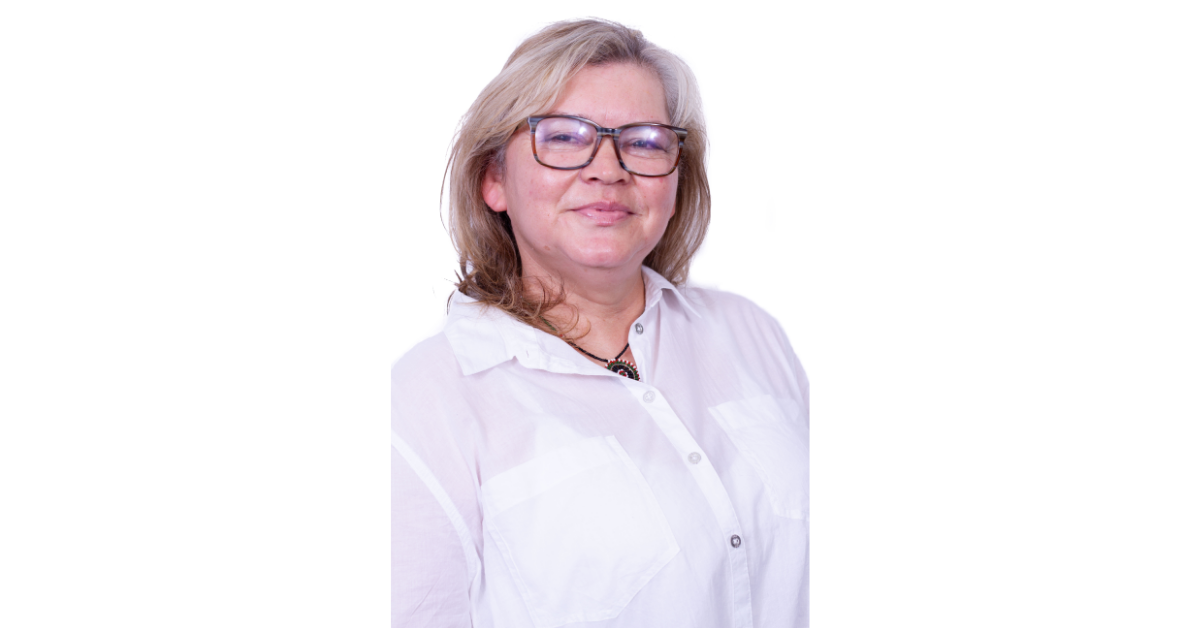
Sharon Villette, Schools Publisher at Oxford University Press Southern Africa
As Zambia implements its Competence Based Curriculum, local authors are developing learning materials for a school system serving more than 6.8 million learners
Our authors understand the challenges teachers face. Their knowledge of local classrooms and communities help us develop materials that are relevant and responsive to the realities of Zambian schools.”
LUSAKA, LUSAKA, ZAMBIA, October 19, 2026 /EINPresswire.com/ -- Zambian authors are contributing their classroom and community knowledge to new textbooks aligned with the Competence Based Curriculum (CBC), helping teachers connect lessons with children’s everyday experiences as the country expands access to education.— Sharon Villette, Schools Publisher at Oxford University Press
The Ministry of Education’s 2025 Education Statistics Bulletin records more than 6.8 million learners across early childhood, primary and secondary education. Its textbook figures show the scale of the resource challenge, with national ratios of five primary learners per English textbook and eight secondary learners per English textbook.
According to Oxford University Press Southern Africa, more than 60 local authors have repeatedly contributed to its Zambian publishing programme since 2013. They are now helping to develop its CBC-aligned textbooks with a dedicated local publishing coordinator and subject specialists.
"Our authors understand the challenges teachers face. Their knowledge of local classrooms and communities help us develop materials that are relevant and responsive to the realities of Zambian schools," says Sharon Villette, Schools Publisher at Oxford University Press Southern Africa.
The CBC places emphasis on applying knowledge and skills in everyday situations. Authors translate those expectations into examples, explanations and activities that teachers can use. They draw on their classroom knowledge, as well as their curriculum and subject matter expertise, to determine how best to introduce unfamiliar concepts, connect learning to learners’ experiences and design activities that can be completed with resources available at school.
Dr Abigail Mukuwa-Tuchili, a Zambian author who has served as a teacher and curriculum specialist within the Ministry of Education, brings that experience to primary school publishing. In a published author profile, she explains how the books guide learners through practice with others before they attempt work independently. Group and paired activities give learners opportunities to develop skills together, followed by individual tasks through which they demonstrate their understanding.
Earlier assessments illustrate the learning difficulties that teaching materials must take into account. UNICEF reported that the Ministry of Education’s 2020–2021 Catch-Up assessment across five provinces found 57% of assessed Grade 3 to 5 learners could not identify words in local languages, while 37% could not perform addition or subtraction. The findings describe learning needs in the assessed group following school reopening during the pandemic.
These challenges give authors a reason to pay close attention to the language of instruction, the sequence of activities and exercises and opportunities for learners to revisit a concept. Teachers also need guidance on supporting learners who require more practice before progressing.
“Learning materials should be clear, engaging and easy to use. Familiar examples, practical activities and an uncluttered design help reduce cognitive overload so that learners can focus on understanding new concepts,” says Villette. Villette recommends placing detailed teaching and curriculum guidance in the Teacher’s Guide, allowing learner books to concentrate on the content and skills learners need to master.
As new CBC-aligned textbooks are developed, local authors remain central to the process. Their experience and local insight help ensure that learning materials are relevant, practical and accessible to both teachers and learners.
“Our authors help bridge the gap between curriculum expectations and classroom realities,” says Villette. “Their insight helps us develop resources that reflect local contexts, support effective classroom practice and help teachers implement the Competence Based Curriculum with confidence.”
Mrs S Knoesen
PRME South Africa
+27 83 700 3078
Legal Disclaimer:
EIN Presswire provides this news content "as is" without warranty of any kind. We do not accept any responsibility or liability for the accuracy, content, images, videos, licenses, completeness, legality, or reliability of the information contained in this article. If you have any complaints or copyright issues related to this article, kindly contact the author above.
